Pharmaceutical
In a pharmaceutical plant the air is part of the process. Temperature, humidity, particle levels and room pressures all affect whether a batch passes or fails, and inspectors will ask to see proof that they were under control.
Why humidity matters so much
Many drug ingredients and excipients are hygroscopic. Left in damp air they absorb moisture, and the problems show up all along the line:
- Milling and granulation: damp powder clogs mills and does not convey cleanly
- Compression: moisture causes sticking, capping and uneven tablet weight
- Coating: poor drying leaves rough or patchy coats
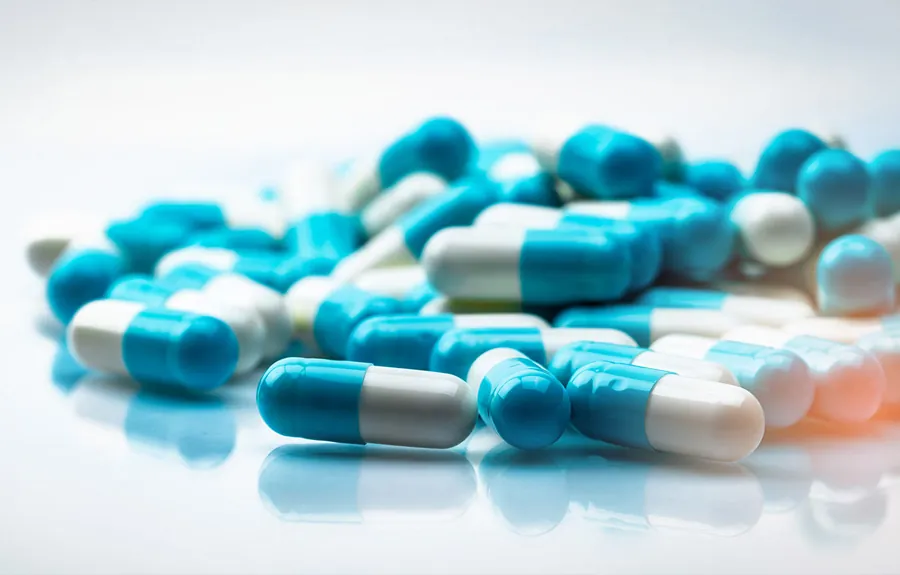
- Capsules: gelatin shells soften or turn brittle outside a narrow humidity band
- Powder filling and effervescent products: material sticks to machines and reacts before it is packed
- Packing: tablets sealed in humid air carry that moisture into the strip or blister, shortening shelf life
Plants near water sources, or in regions with long monsoons, feel this most. Each product has its own limits, and some areas need to be held far drier than the outside air ever gets.
What we provide
- Cleanroom HVAC designed to the required grade and ISO classification
- Dehumidification systems for low humidity areas
- Pressure cascades that keep contamination moving in the right direction
- HEPA filtration, terminal filter modules and air showers
- Dust extraction for dispensing, granulation and compression areas
- Support with qualification and validation documents (DQ, IQ, OQ, PQ)
Our systems are designed with Schedule M and international GMP expectations in mind, so the air side of your facility is ready when the auditors arrive.

